

The global food and beverage industry, valued at $6.9 trillion in 2024, is a dynamic pillar of the FMCG sector, characterized by rapid innovation, digital transformation, and evolving consumer demands. Driven by health consciousness, sustainability, and technological advancements, the market is experiencing strong growth across segments such as plant-based foods, organic products, and functional beverages. Regional giants like the USA, China, and India lead this expansion, with Asia-Pacific emerging as the fastest-growing market.
This article explores 12 strategic pillars that underpin success in the modern FMCG food and beverage space – ranging from brand equity and innovation to e-commerce, sustainability, and data-driven decision-making. It draws on real-world examples from industry leaders like Coca-Cola, Unilever, Nestlé, PepsiCo, and others to showcase how global players are adapting through local customization, ethical practices, and strategic partnerships.
Backed by current market data, this analysis provides a comprehensive view of the industry’s trajectory and highlights the capabilities that future-ready companies must embrace to thrive in a rapidly transforming global marketplace.
The global food and beverage sector stands as one of the most vital and fast-evolving components of the FMCG industry. Valued at $6.9 trillion in 2024, this sector continues to expand on the backbone of rising disposable incomes, shifting consumer expectations, health consciousness, and an ever-increasing emphasis on sustainability. It is no longer just about taste and convenience – branding, innovation, ethical sourcing, and digital engagement now dictate success in this competitive arena.
With a market size of $6.9 trillion in 2024, the industry is posting a 6.3% CAGR, supported by robust consumption patterns in emerging economies and lifestyle shifts in developed markets. Among the most dynamic segments:
A clear shift toward low-sugar, nutrient-dense, and environmentally conscious products reflects how modern food choices are increasingly value-driven.
|
Country |
Market Size (2024) |
Per capita Spending (USD) |
Highlights |
|
USA |
$1,600 bn |
$4,705 |
20% of the global market, witnessing strong organic and plant-based trends |
|
China |
$1,300 bn |
$915 |
Dominated by e-commerce and urban health trends |
|
Japan |
$670 bn |
$5,447 |
A health-focused aging population, strong on tech |
|
India |
$560 bn |
$383 |
Fast growth in packaged and non-alcoholic segments |
|
Germany |
$395 bn |
$4,679 |
Organic and non-alcoholic beverages on the rise |
|
France |
$345 bn |
$5,029 |
Gastronomic traditions meet organic innovation |
|
UK |
$280 bn |
$4,029 |
Premiumization and online food sales accelerating |
|
Italy |
$240 bn |
$4,057 |
High demand for traditional and organic products |
|
Brazil |
$230 bn |
$1,080 |
Strong exporter with growing e-commerce |
|
Canada |
$220 bn |
$5,301 |
Growth in organic, craft beverages, and digital sales |
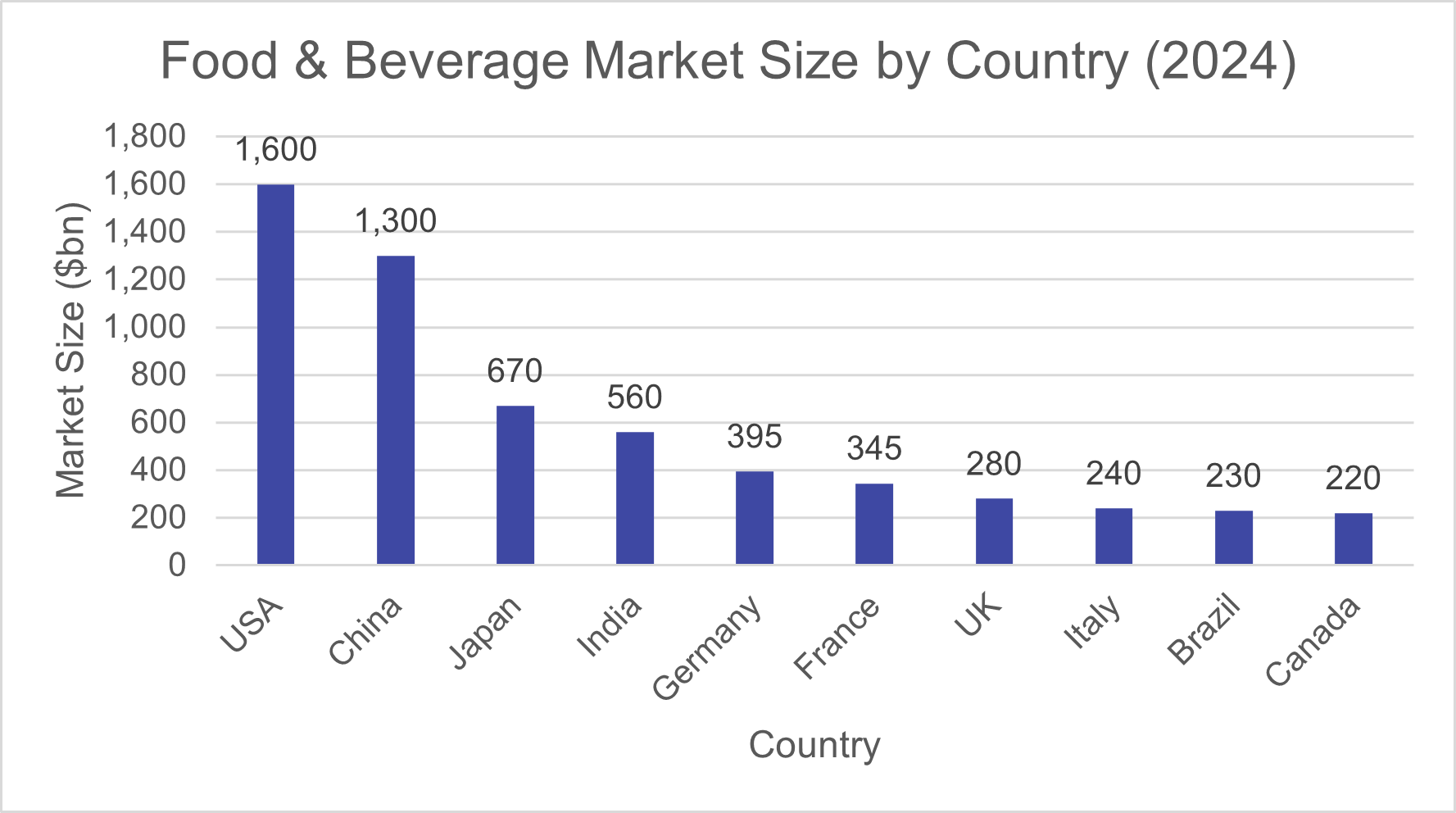
Figure 2 (A). Food & Beverage Market Size by Country (2024)
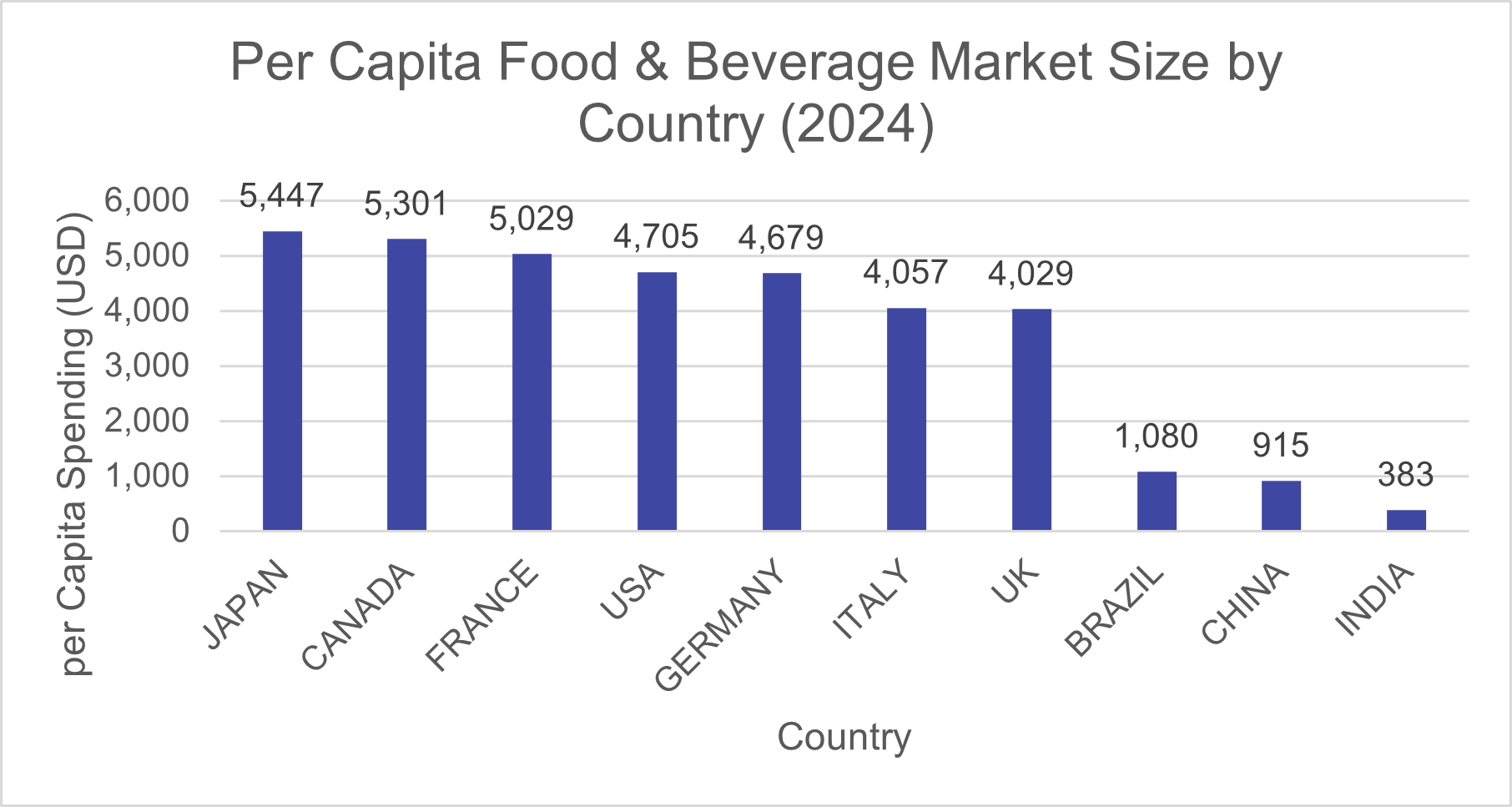
Figure 2 (B): Per Capita Food & Beverage Market Size by Country (2024)
To succeed in this rapidly transforming space, leading companies have adopted some of these 12 powerful strategies, each contributing to sustained brand leadership and adaptability:
A lasting brand connects emotionally with its audience. Coca-Cola, for example, has maintained global resonance for over a century, largely through consistent branding and campaigns like “Share a Coke,” which created a personal connection with consumers
FMCG giants such as Unilever lead the innovation race – not just in product creation, but in promoting values. Its brands like Ben & Jerry’s and Hellmann’s reflect consumer shifts toward ethics and health, proving that relevance requires constant reinvention
A streamlined and agile supply chain is critical. Optimizing supply chains to ensure products are available at the right time and place while managing costs effectively. ITC Limited: ITC has an extensive and efficient supply chain to ensure that products are available across India, even in rural areas
Understanding consumers’ evolving preferences is fundamental. Nestlé, for instance, introduced Nestlé Health Science and expanded its plant-based and wellness-focused portfolios by directly responding to consumer feedback and health trends
Modern consumers demand transparency and responsibility. Unilever’s Sustainable Living Plan has become a benchmark in aligning business with ecological and ethical goals – embracing recyclable packaging and promoting socially impactful campaigns
Brands that harmonize international presence with local preferences thrive. McDonald’s India adapted successfully by introducing vegetarian offerings like the McAloo Tikki, aligning with local dietary habits while preserving global consistency
Mergers and acquisitions provide swift market access. Kraft Heinz’s acquisition of health-centric brands like Primal Kitchen highlights how legacy companies can reposition for modern, wellness-conscious consumers
Effective marketing keeps brands relevant. PepsiCo harnesses high-impact campaigns – from celebrity-driven Super Bowl ads to interactive social media content – to maintain cultural relevance across generations
Adapting to the digital age is non-negotiable. Companies ensure their products are available on major e-commerce platforms and engage directly with consumers through apps and online tools, enhancing brand visibility and convenience. Colgate-Palmolive adapted to e-commerce by selling on platforms like Amazon and launching digital tools like the Colgate Smile app to engage online shoppers and broaden its reach
With dietary needs evolving, brands must adapt. Danone has expanded its footprint in the health segment with brands like Alpro and Actimel, tapping into the rising demand for dairy-free and probiotic-rich products
A diverse pricing model helps brands cater to multiple income segments. Unilever, for example, offers its Dove range at various price points, maintaining premium quality while ensuring affordability and accessibility
Data analytics fuels precision in inventory, marketing, and product development. Parle Products: Parle uses consumer data to develop new Flavors and packaging designs, ensuring that it remains competitive in the evolving biscuit and snack market
The FMCG food and beverage industry has transitioned from traditional mass advertising and retail-focused distribution to digital-first strategies. Traditional methods relied on TV commercials, print ads, and wide retail networks, resulting in slower consumer feedback and limited direct engagement. Digital strategies now dominate, with brands leveraging e-commerce, social media, and data analytics to connect directly with consumers and personalize experiences.
Examples include Colgate-Palmolive selling on online platforms and using apps for consumer engagement, and PepsiCo executing targeted digital campaigns to maintain relevance. This evolution drives faster innovation, enhances supply chain flexibility, and aligns brands more closely with consumer values like sustainability. By combining traditional retail strengths with digital tools, FMCG companies can better address evolving consumer demands and stay competitive in a fast-changing market.
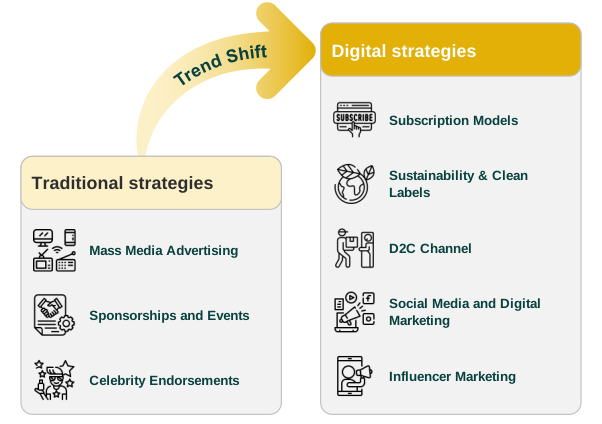
Figure 3: FMCG Evolution: Traditional vs. Digital Strategies
The next frontier of growth in the food and beverage sector is being shaped by:
E.g. Beyond Meat: Offers plant-based products like Beyond Burger and Beyond Sausage, replicating traditional meat with plant ingredients
E.g. Nestlé: Expands its Nestlé Organic range with organic baby food and snacks to meet the demand for clean-label products
E.g. PepsiCo: Introduces Gatorade Zero, a sugar-free sports drink fortified with electrolytes for hydration
E.g. Coca-Cola: Uses Plant Bottle, a packaging made from up to 30% plant-based materials, reducing environmental impact
E.g. Alibaba (Tmall): Enables brands like PepsiCo and Nestlé to sell directly to consumers via the Tmall Grocery platform in China
|
Company |
2024 Revenue |
Notable Brands |
|
Nestlé |
$108.7 bn |
Nescafé, KitKat, Maggi |
|
PepsiCo |
$91.85 bn |
Pepsi, Lay’s, Gatorade |
|
Mars, Inc. |
$54.6 bn |
M&M’s, Snickers, Pringles |
|
Coca-Cola |
$47.1 bn |
Coca-Cola, Sprite, Fanta |
|
Unilever |
$21.7 bn |
Ben & Jerry’s, Lipton, Hellmann’s |
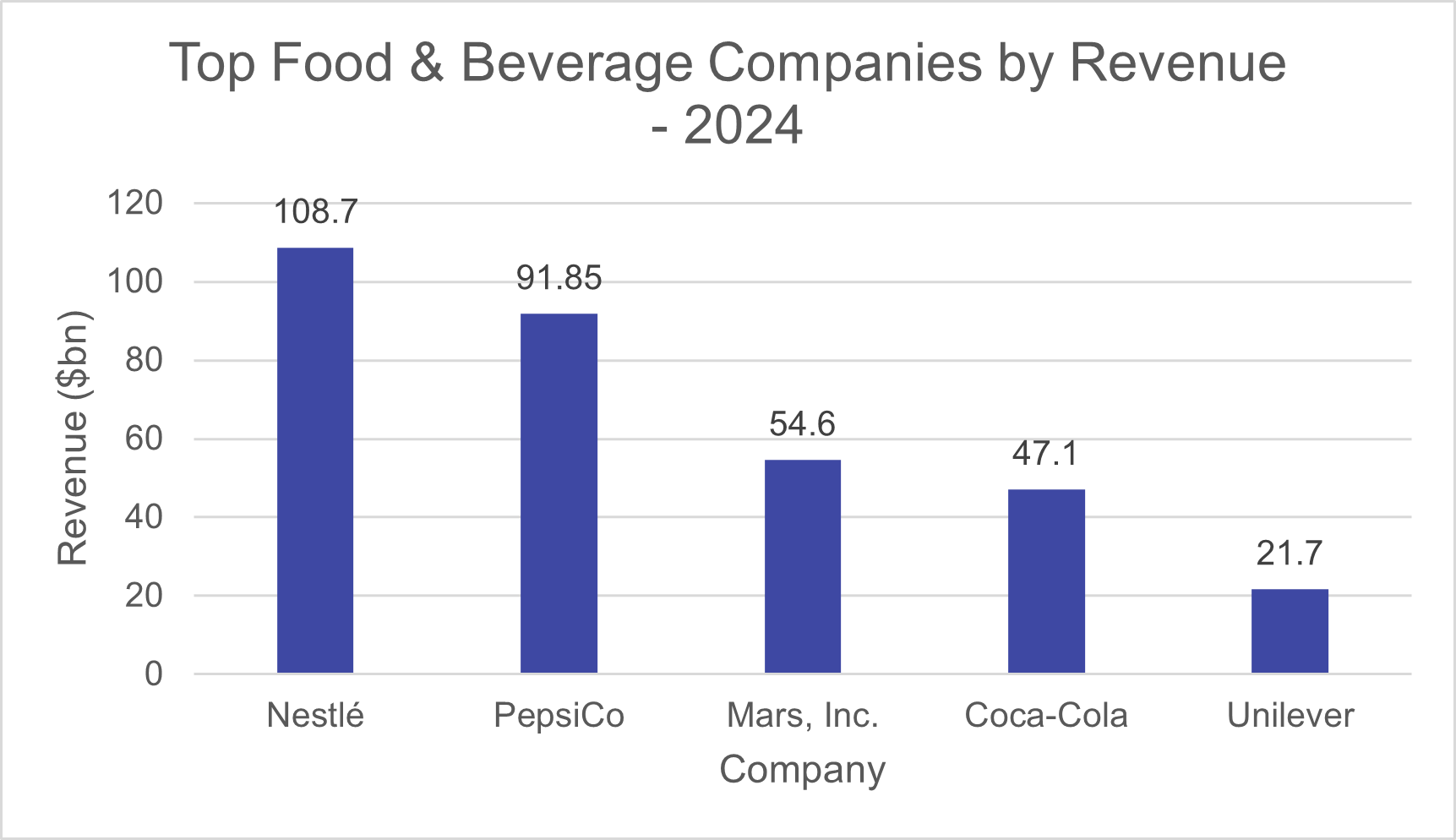
Figure 4. Top Food & Beverages Companies by Revenue – 2024
The FMCG food and beverage space is no longer just about satisfying hunger – it’s about satisfying purpose. As companies navigate global pressures and consumer shifts, those who innovate, embrace technology, prioritize sustainability, and deeply understand their consumers will lead the future.
Brands like Nestlé, Unilever, Coca-Cola, PepsiCo, and Danone continue to set the benchmark by merging strategy with agility. With health, ethics, and technology at the forefront, the sector promises not just growth – but transformation.
One-off consulting engagements to solve specific business challenges.
Continuous support and consulting as a trusted partner for long-term projects.
Providing expert resources to support your in-house teams for large or complex projects.
Tailored service models based on client needs, ensuring flexibility and value.